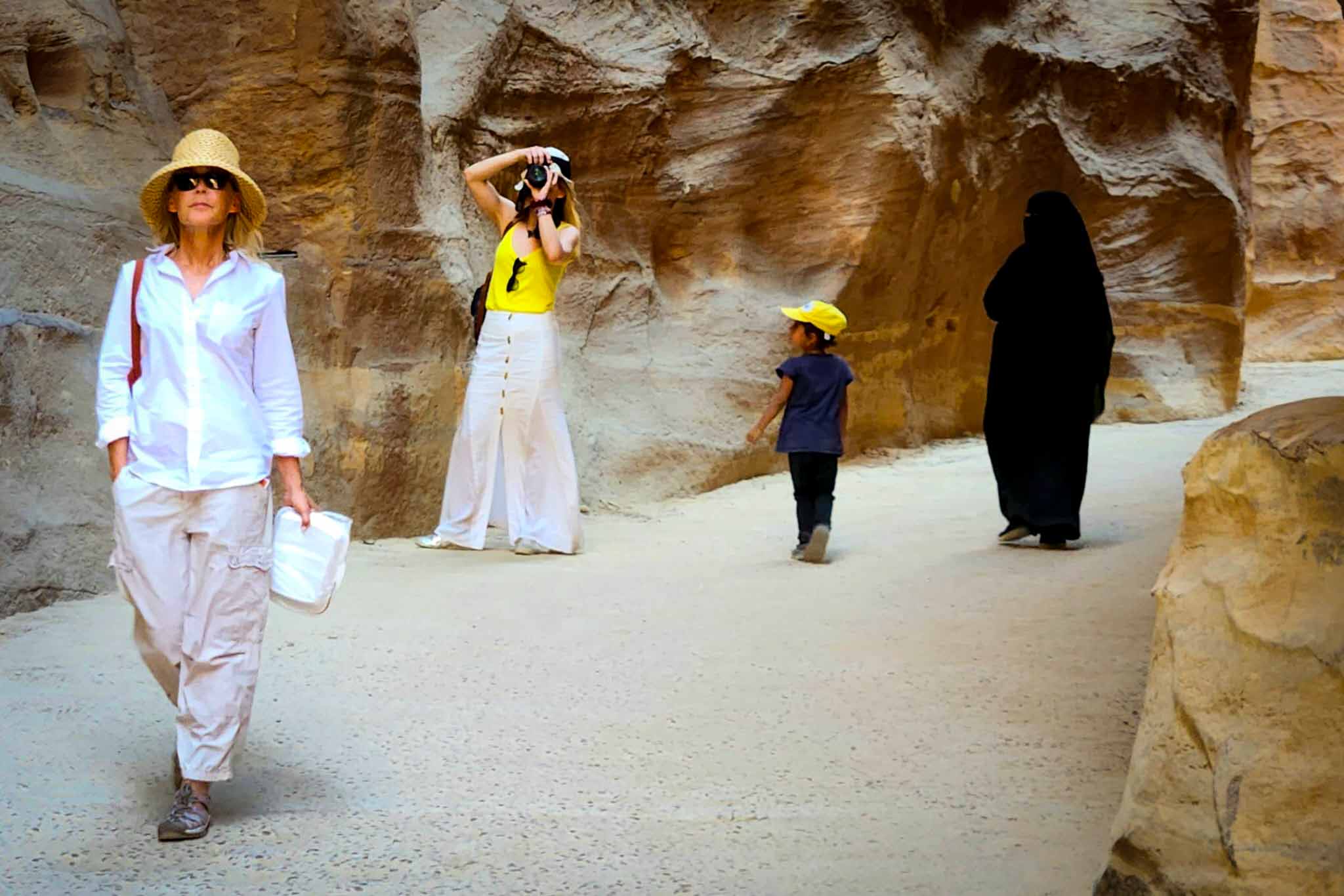
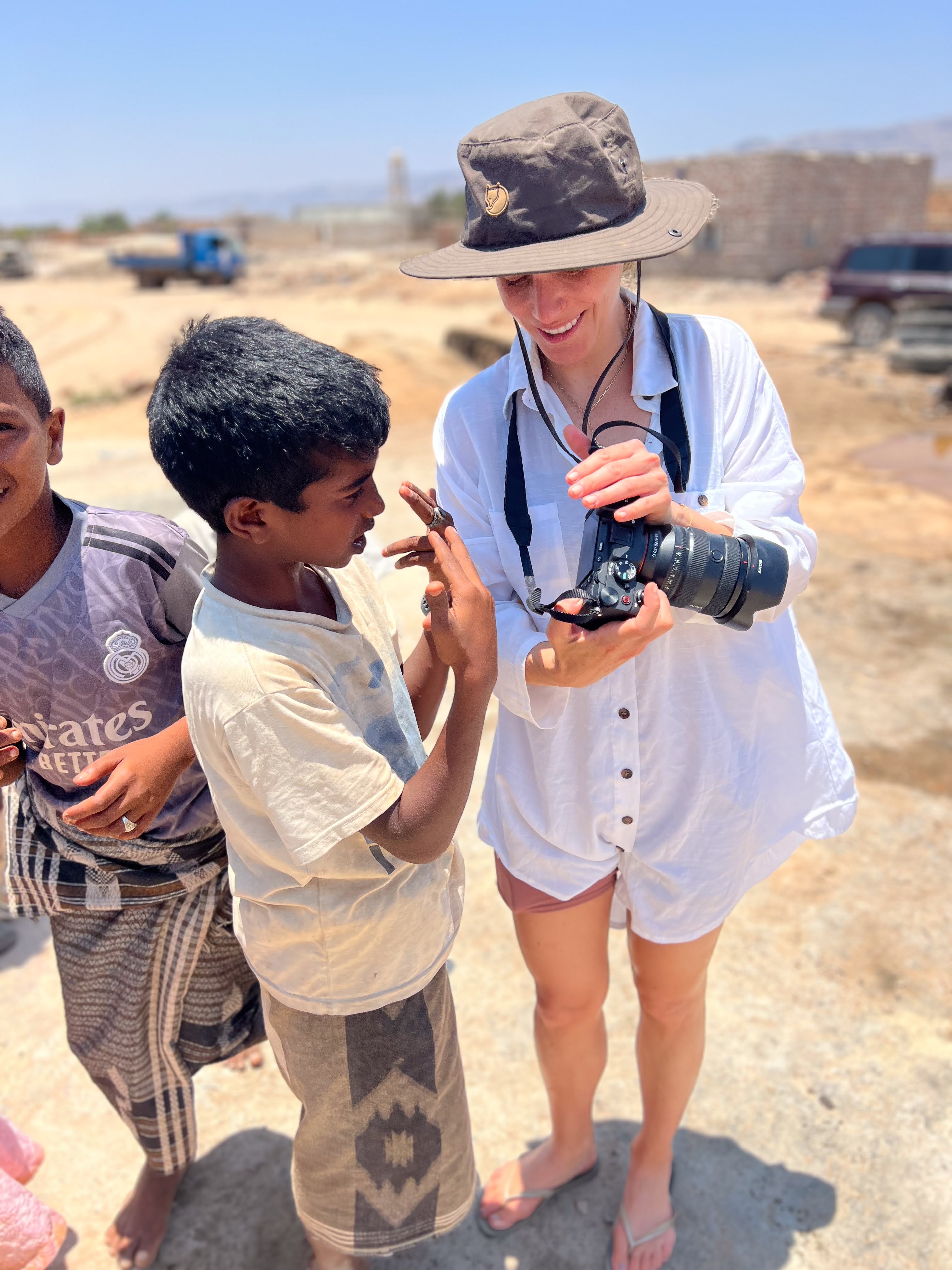
For as long as I can remember, I was drawn to unfamiliar places — overnight buses, land border crossings in unknown languages, mosquito nets, uncertain logistics, and the feeling of being very far from anything familiar. To me, those experiences never felt like inconveniences. They were part of the privilege of entering places and ways of life completely different from my own.
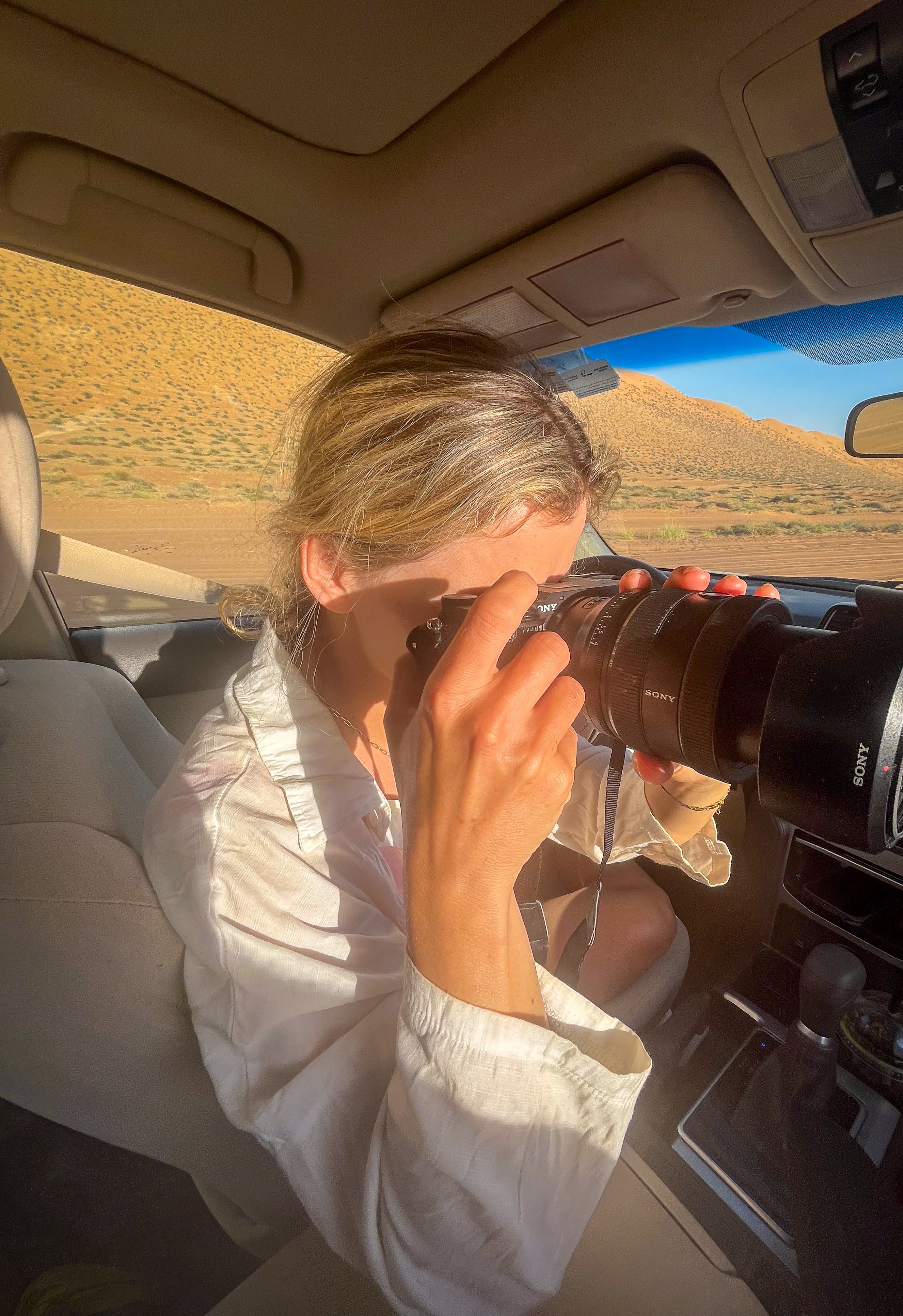
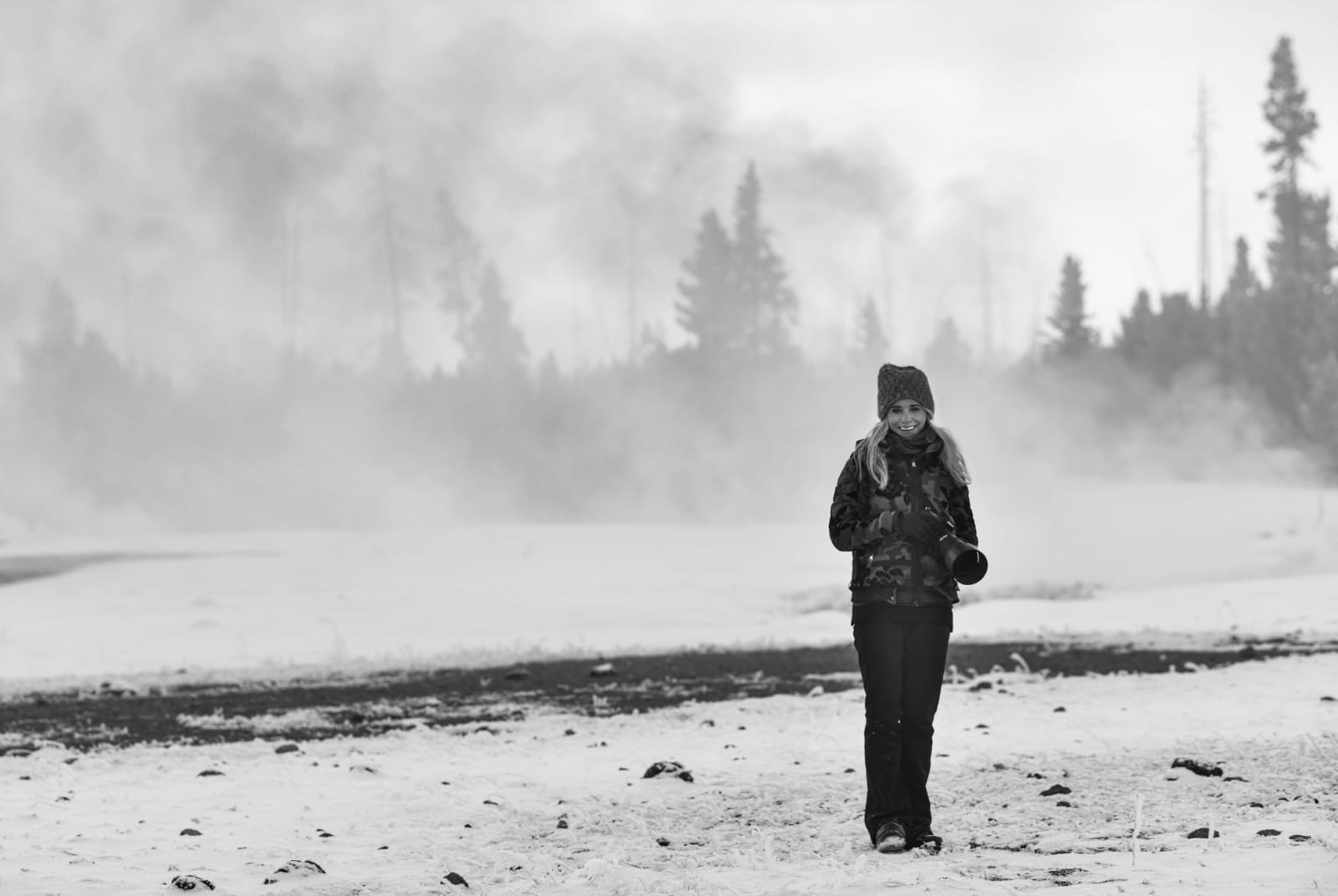
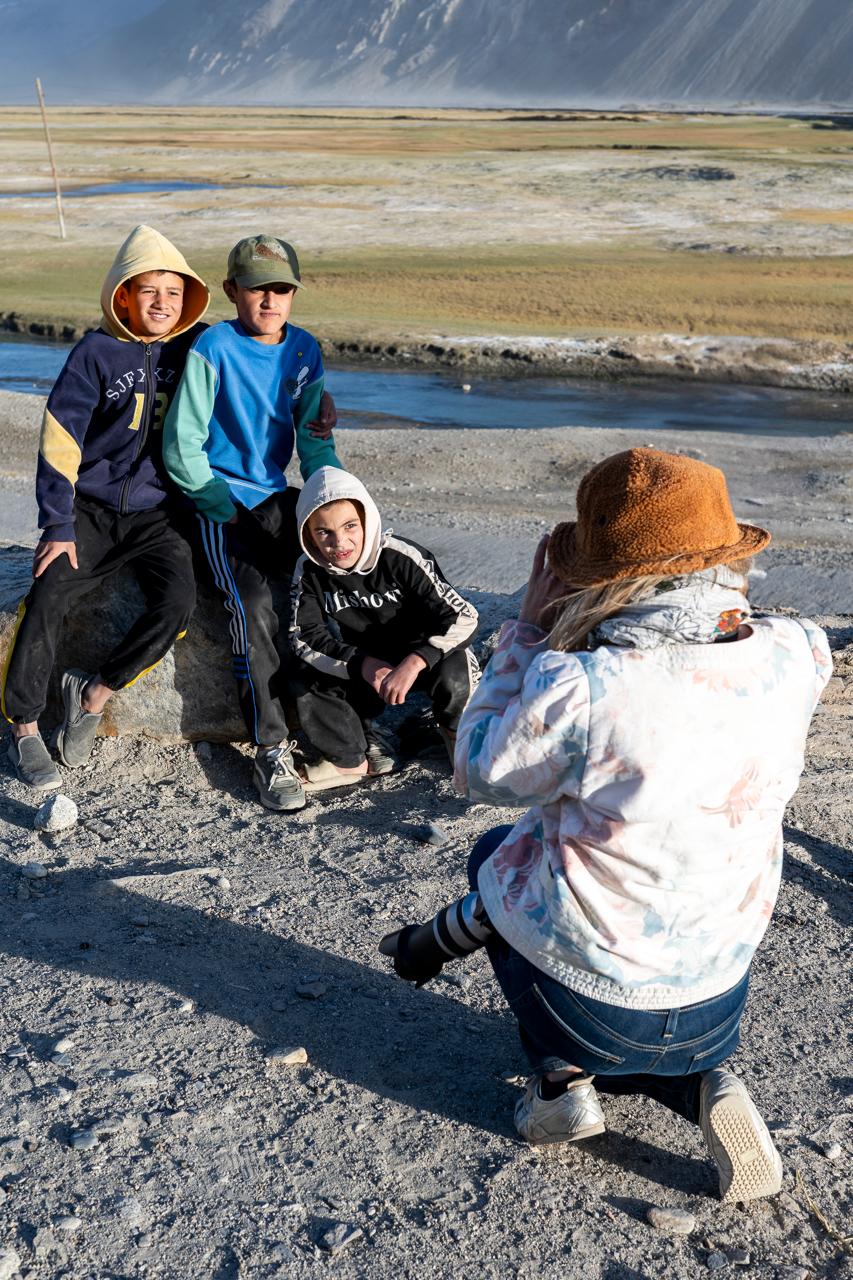
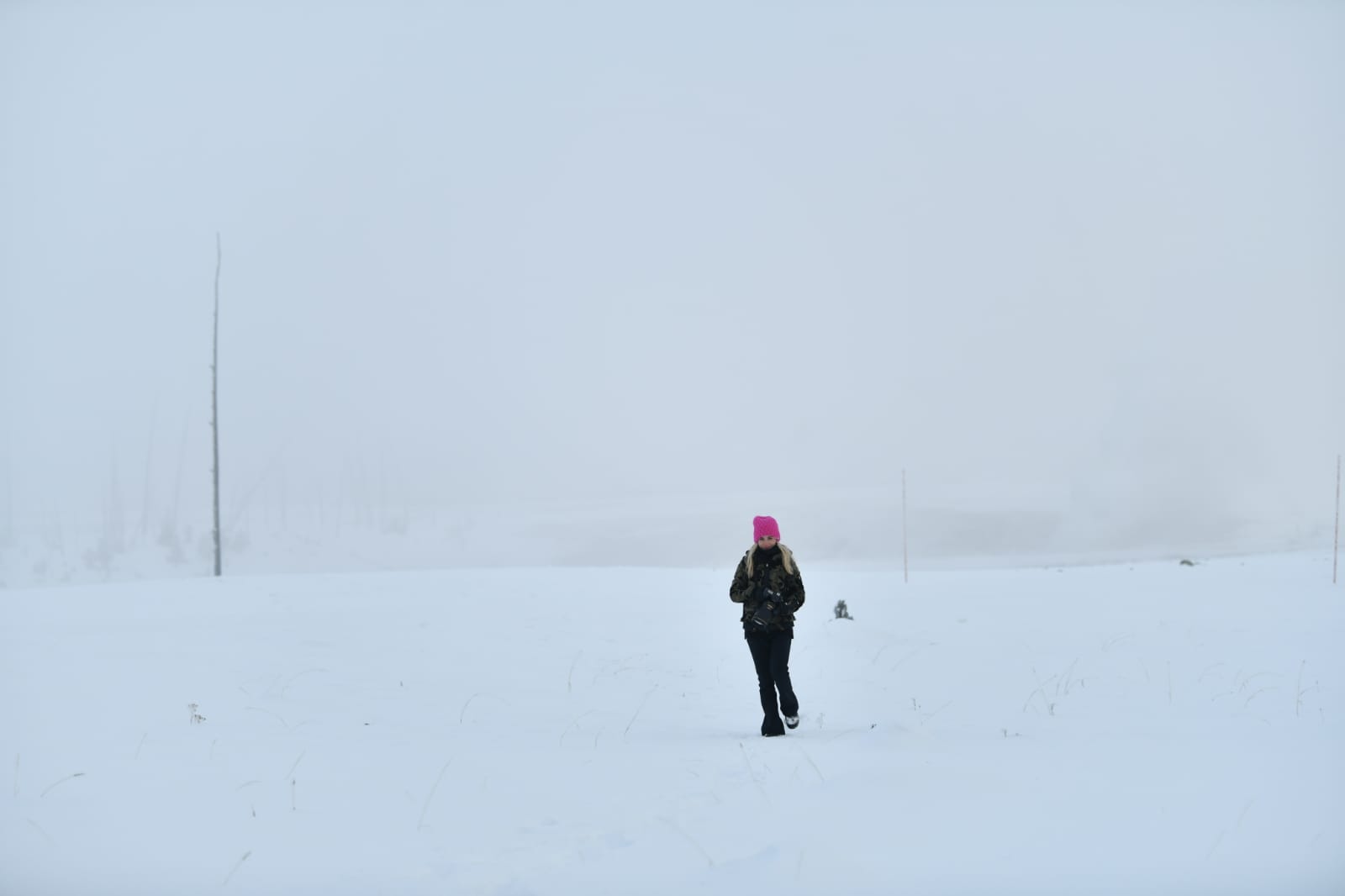
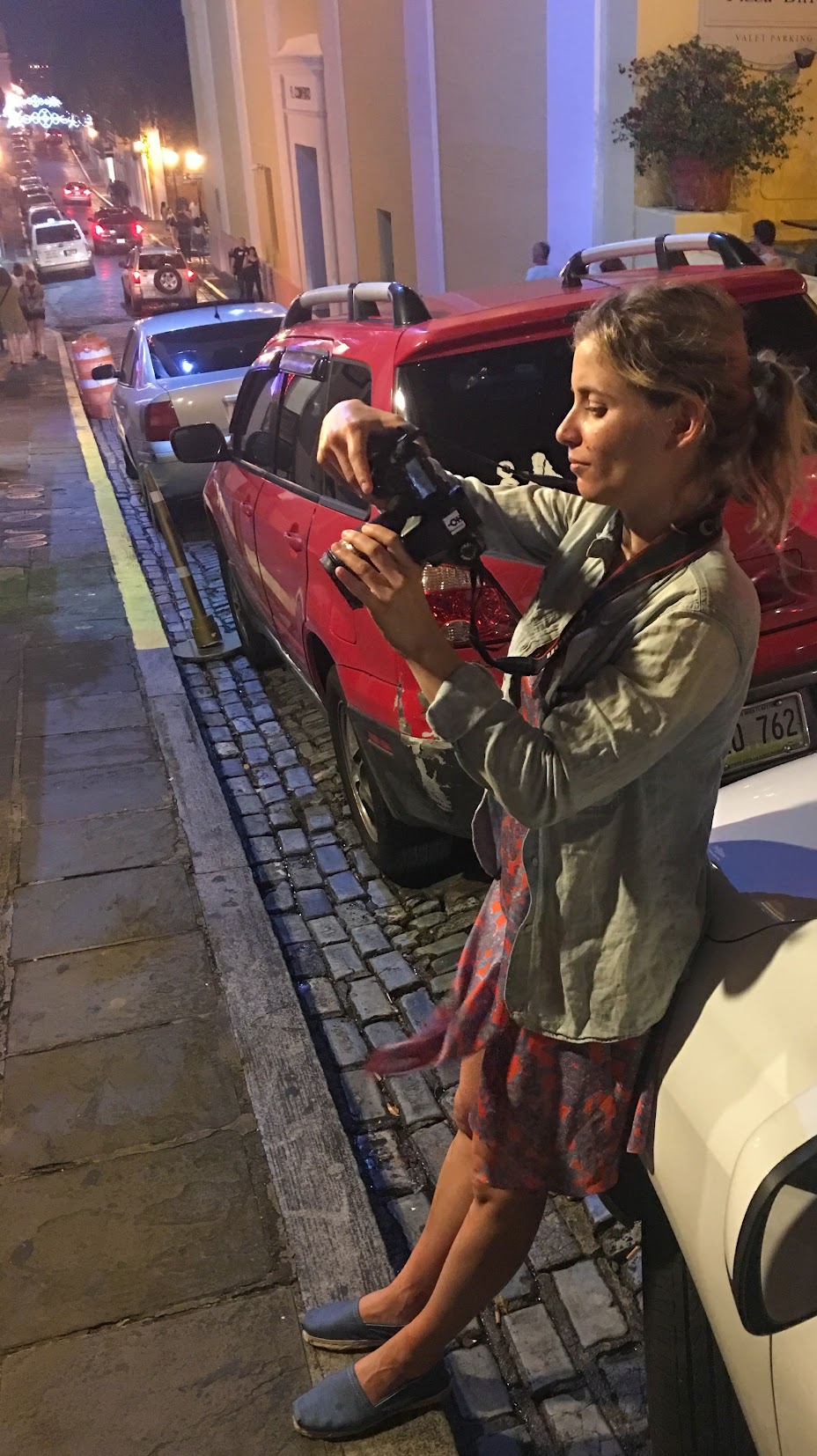
Photography grew naturally from that instinct. Carrying a camera changed the way I moved through the world, making me slower and more observant — more aware of light, atmosphere, gesture, and the relationship between people and their environments. Over time, photography became less about documenting where I had been and more about learning how to pay closer attention to the world around me.
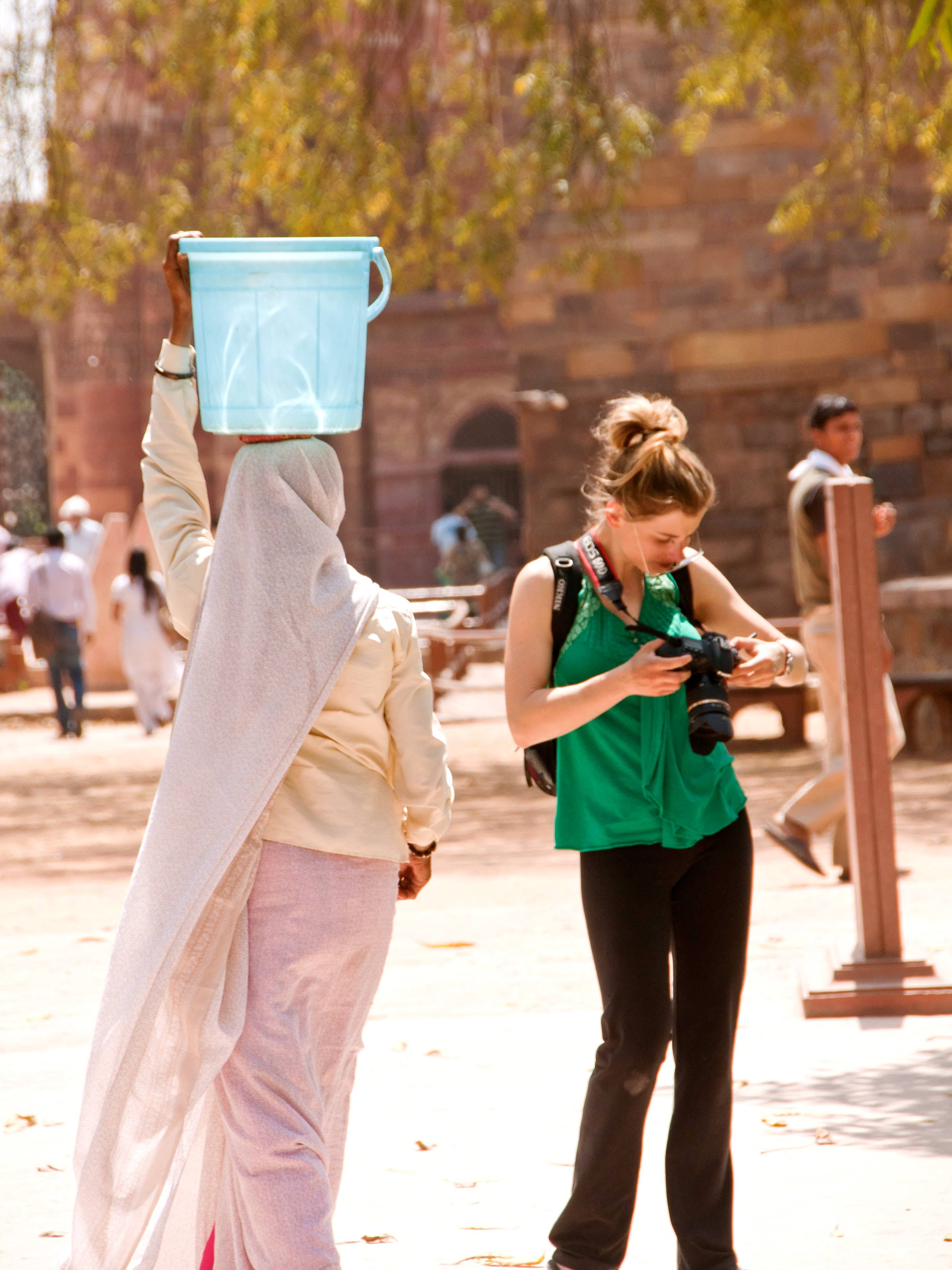
During medical training, I stepped away to complete a Master’s in Public Health, which brought me to southern India to work alongside the Aravind cataract camp system. Witnessing patients regain sight in areas with limited access to care changed the trajectory of my life and ultimately led me toward a career in ophthalmology and eye surgery. Many of my earliest meaningful photographs came from that period, documenting not only the medical work itself, but the people and environments surrounding it.
Since then, photography and ophthalmology have remained deeply connected for me. One shaped the way I observe the world; the other became a way to help preserve and restore that experience for others. Over the years, I have continued returning to regions such as India and Nepal while photographing the environments and communities around me.
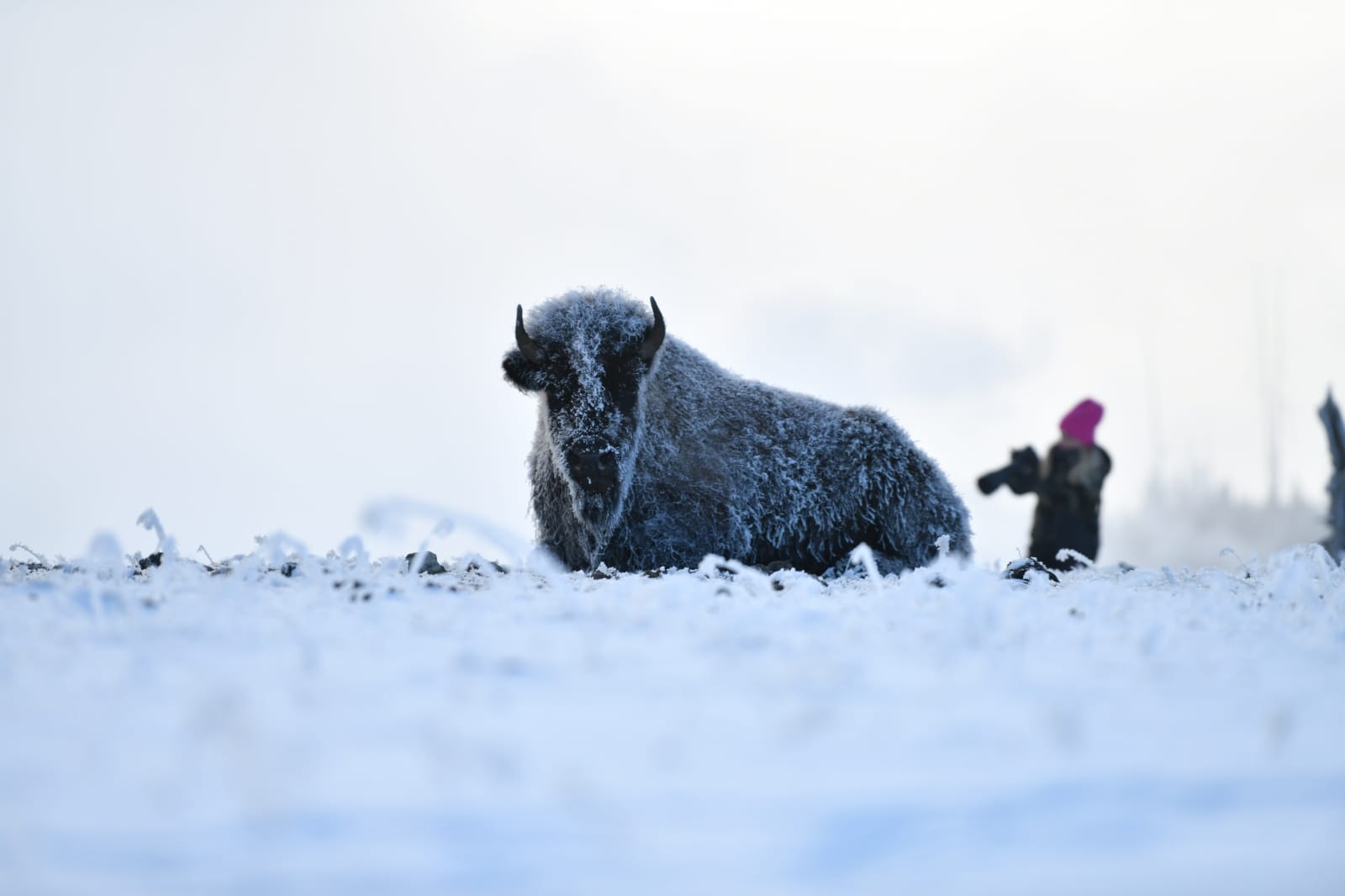
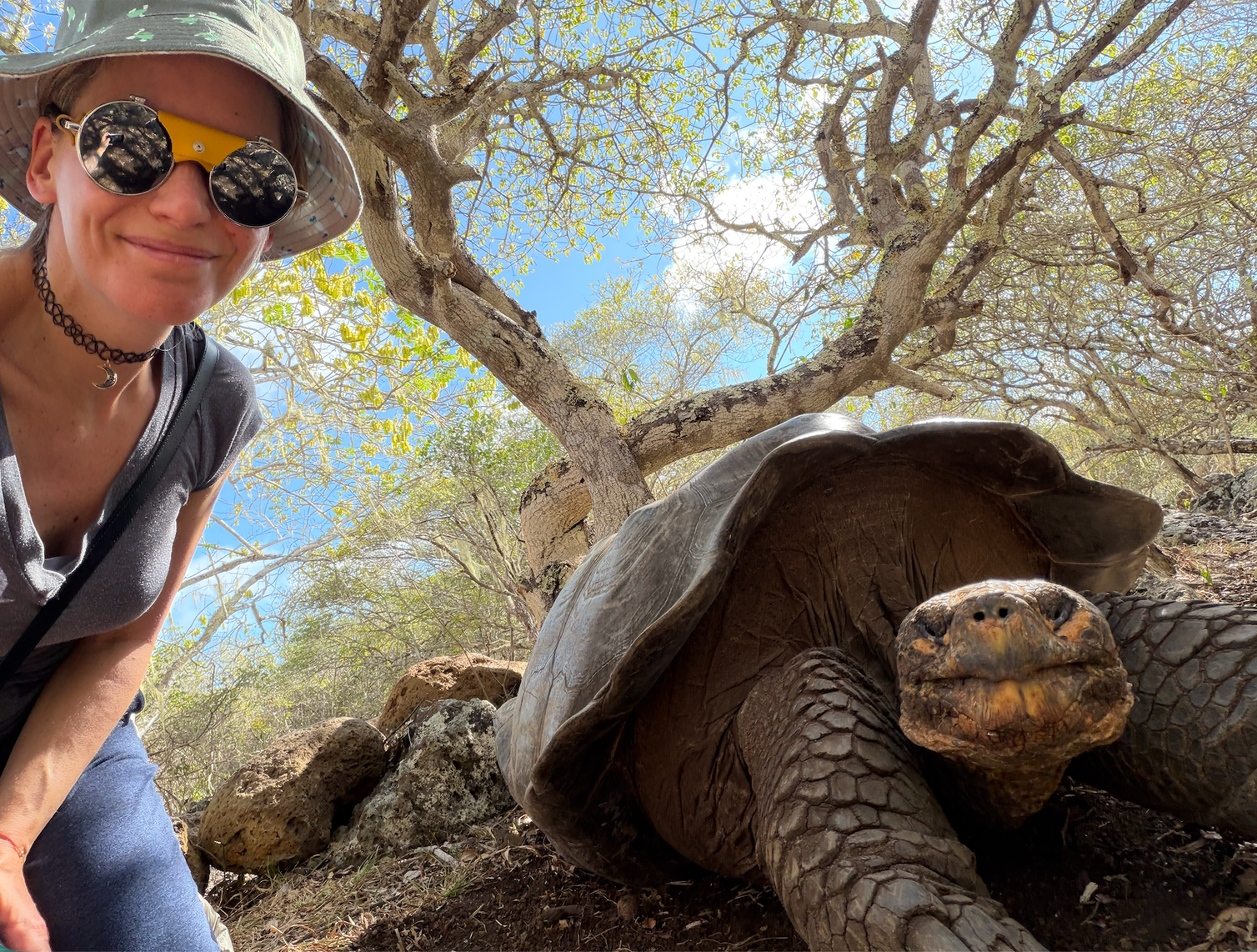
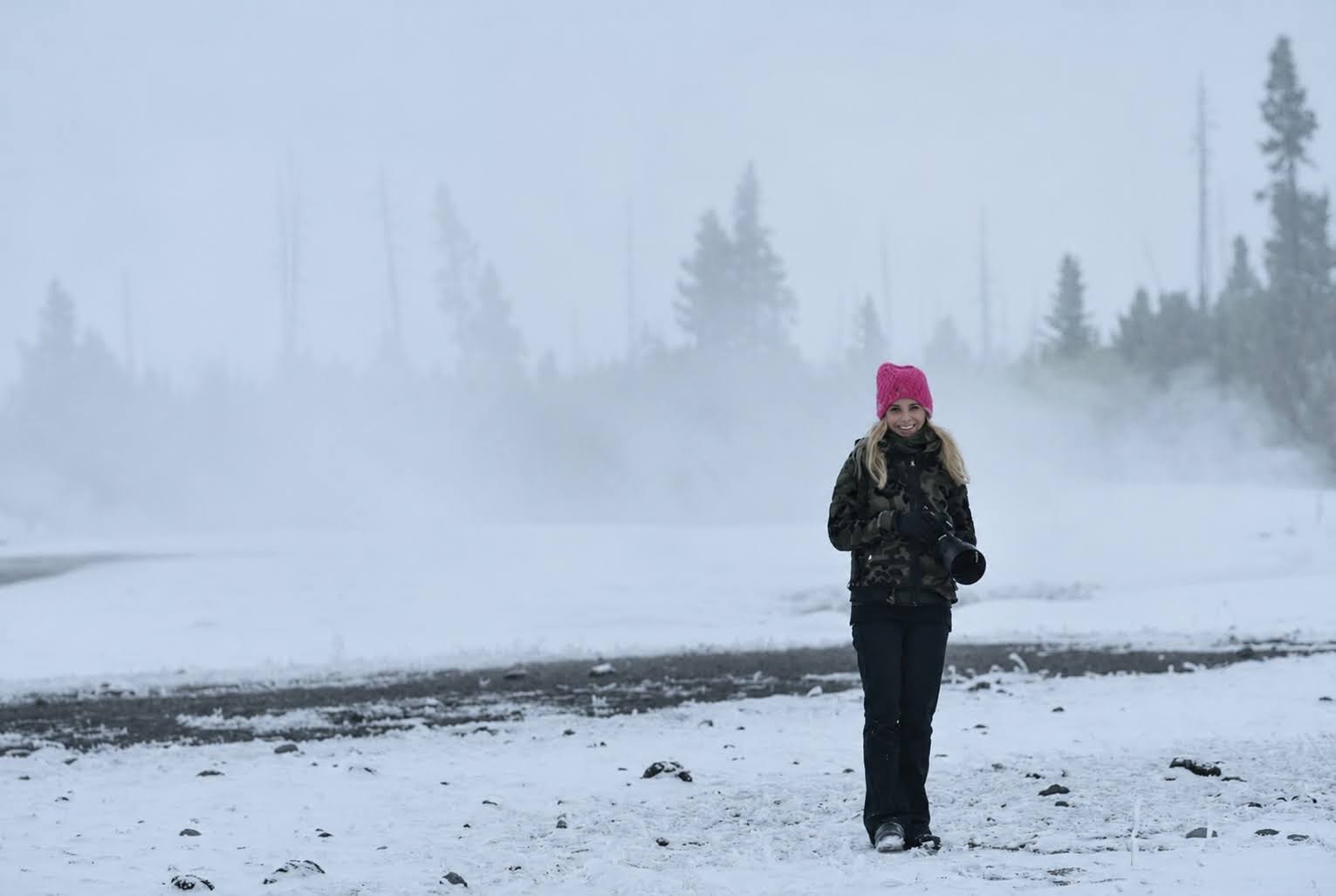
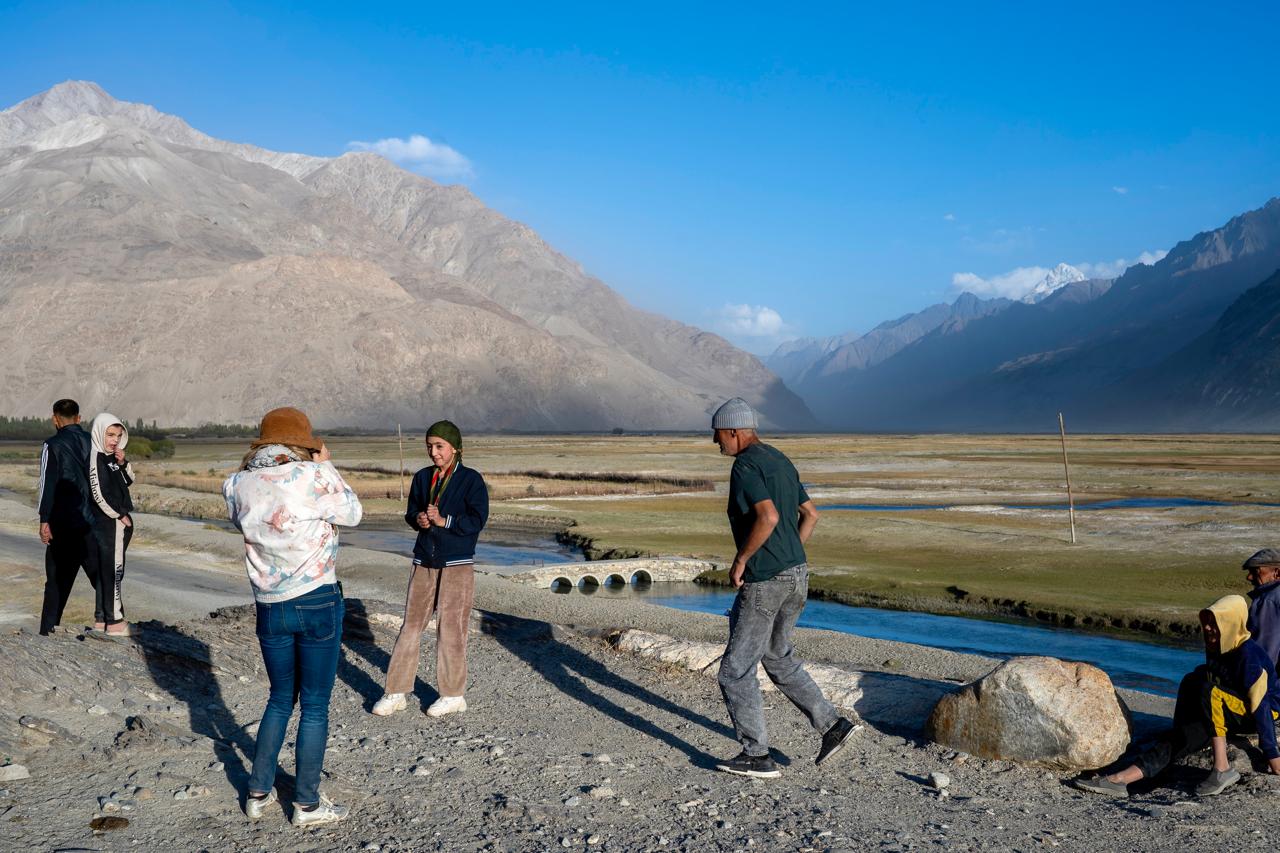
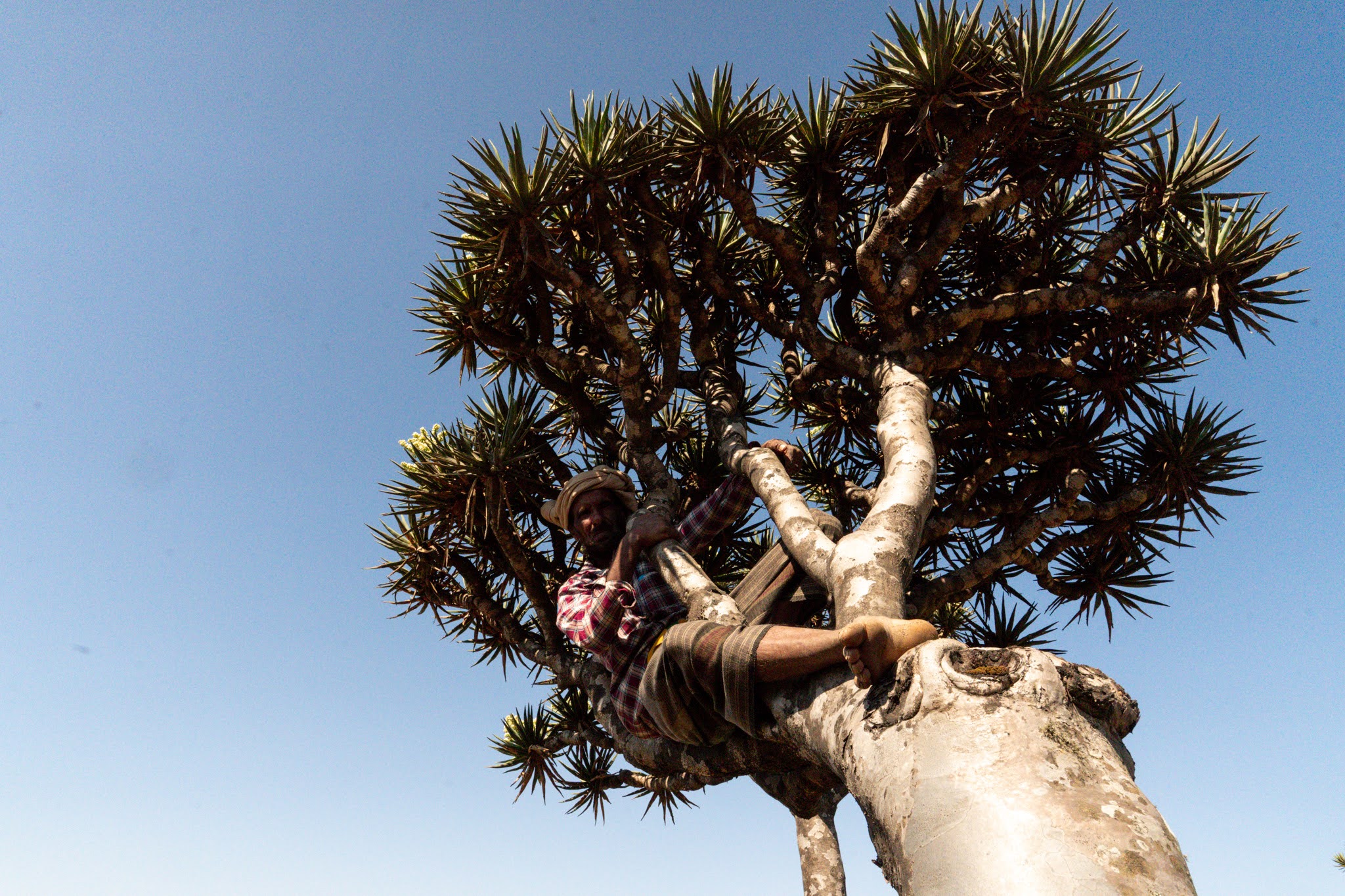
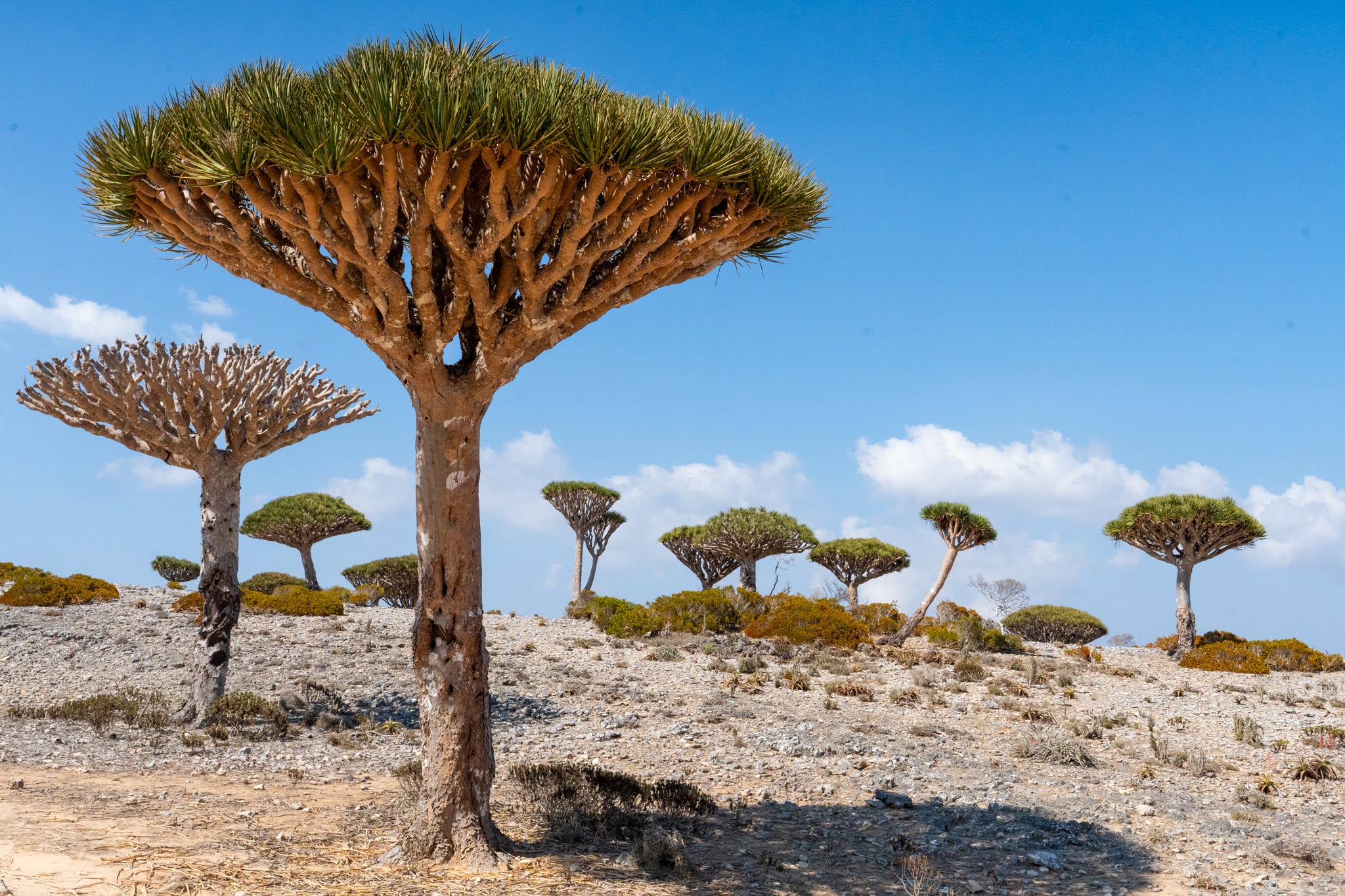
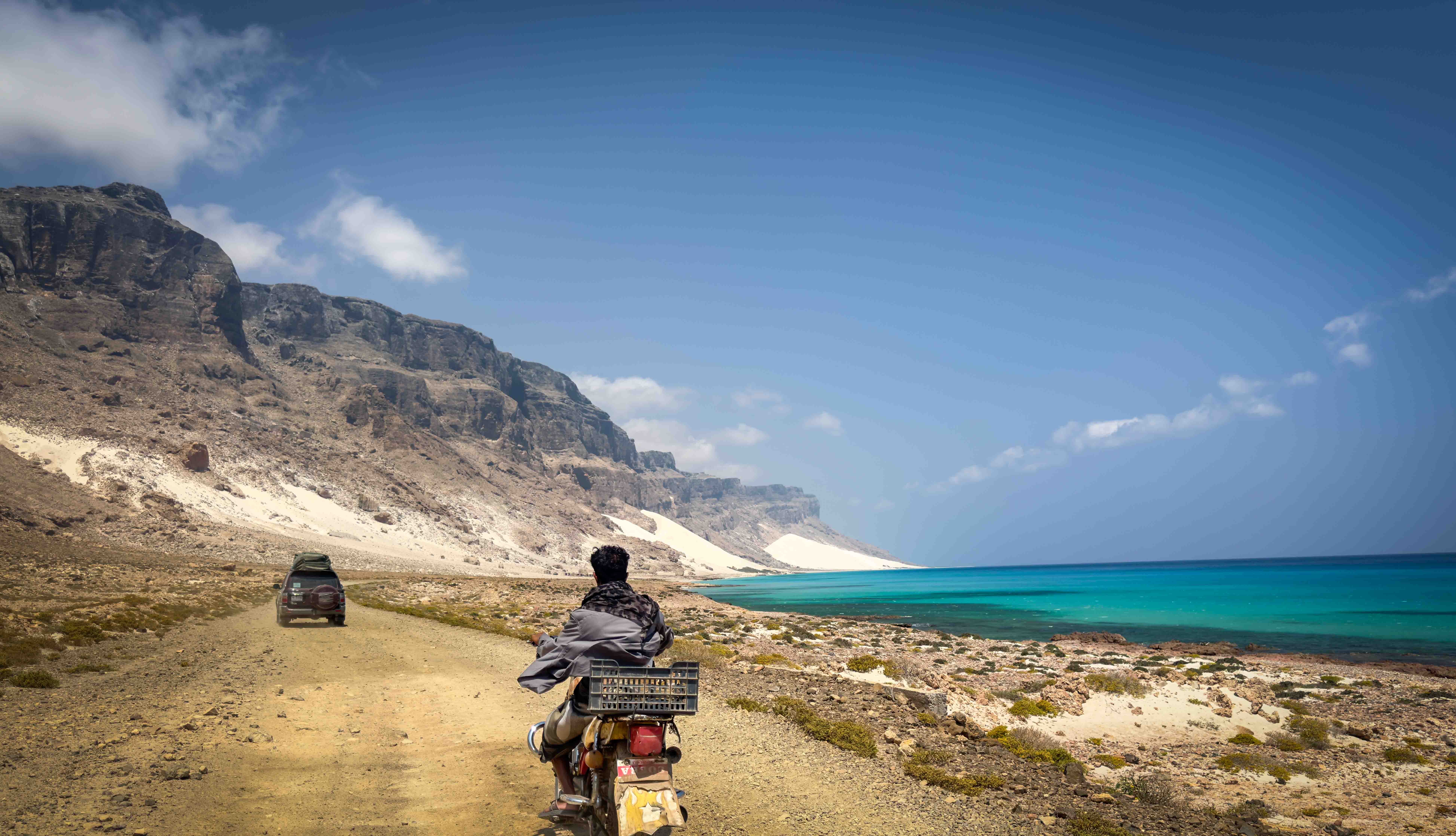
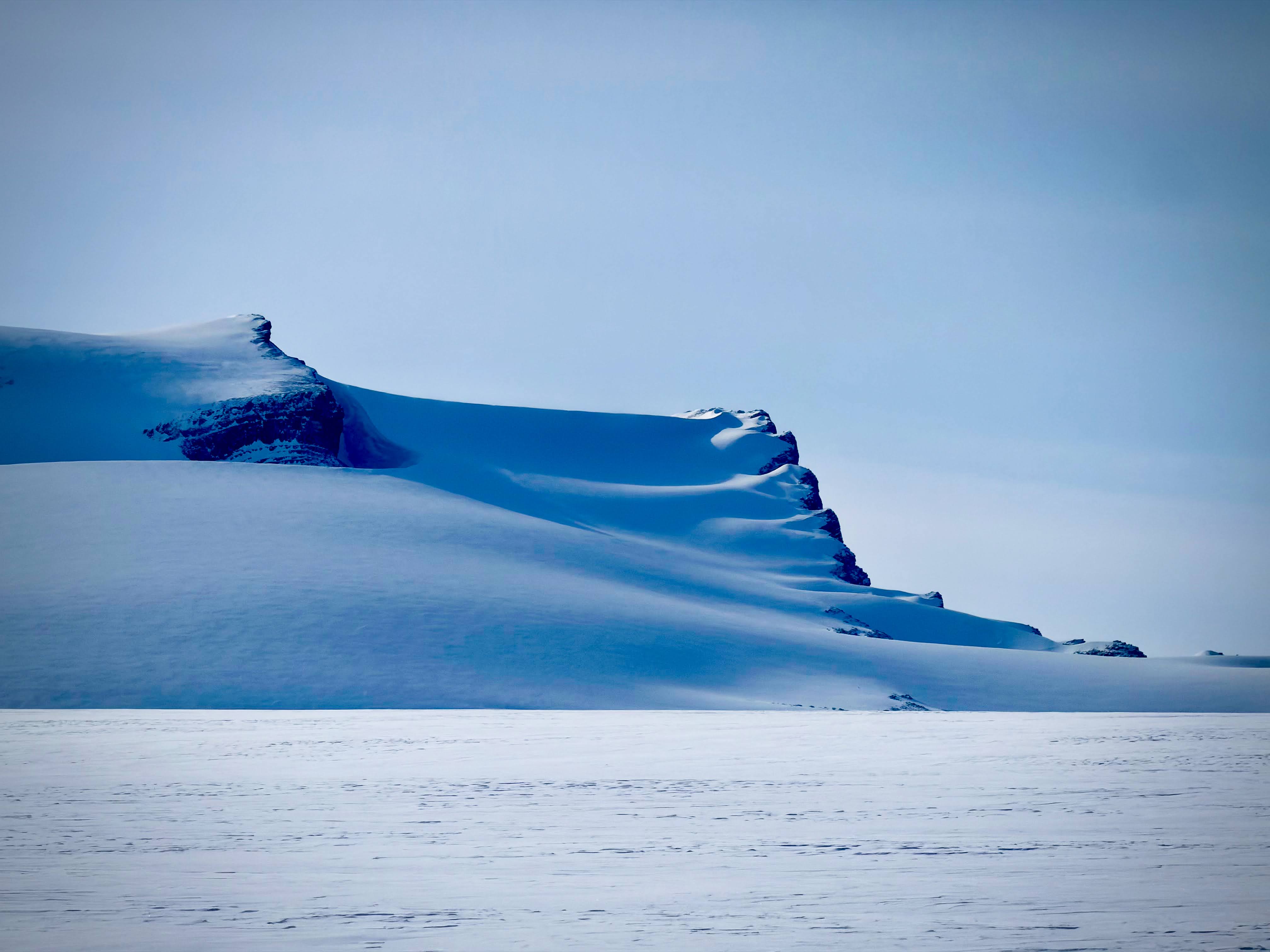
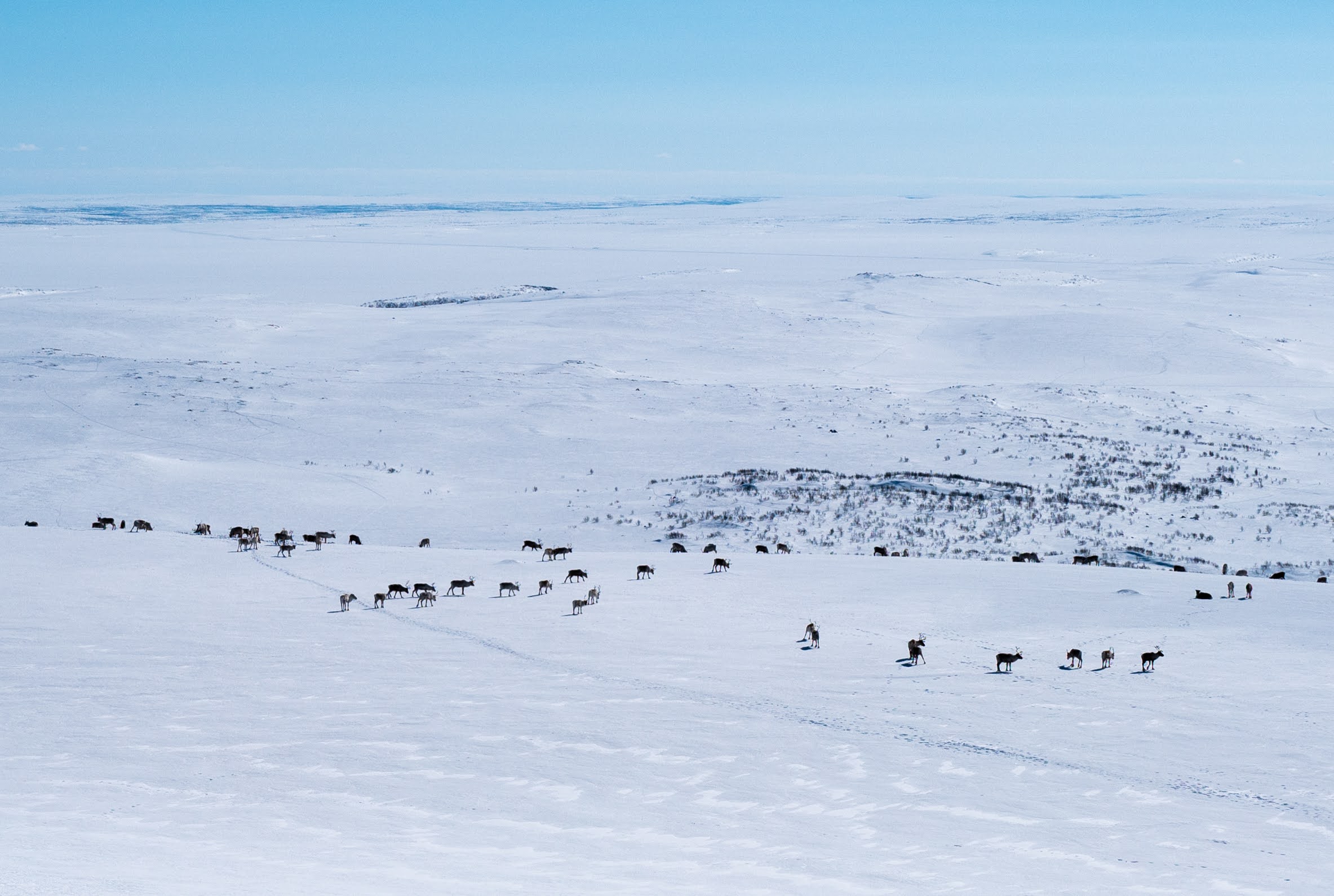
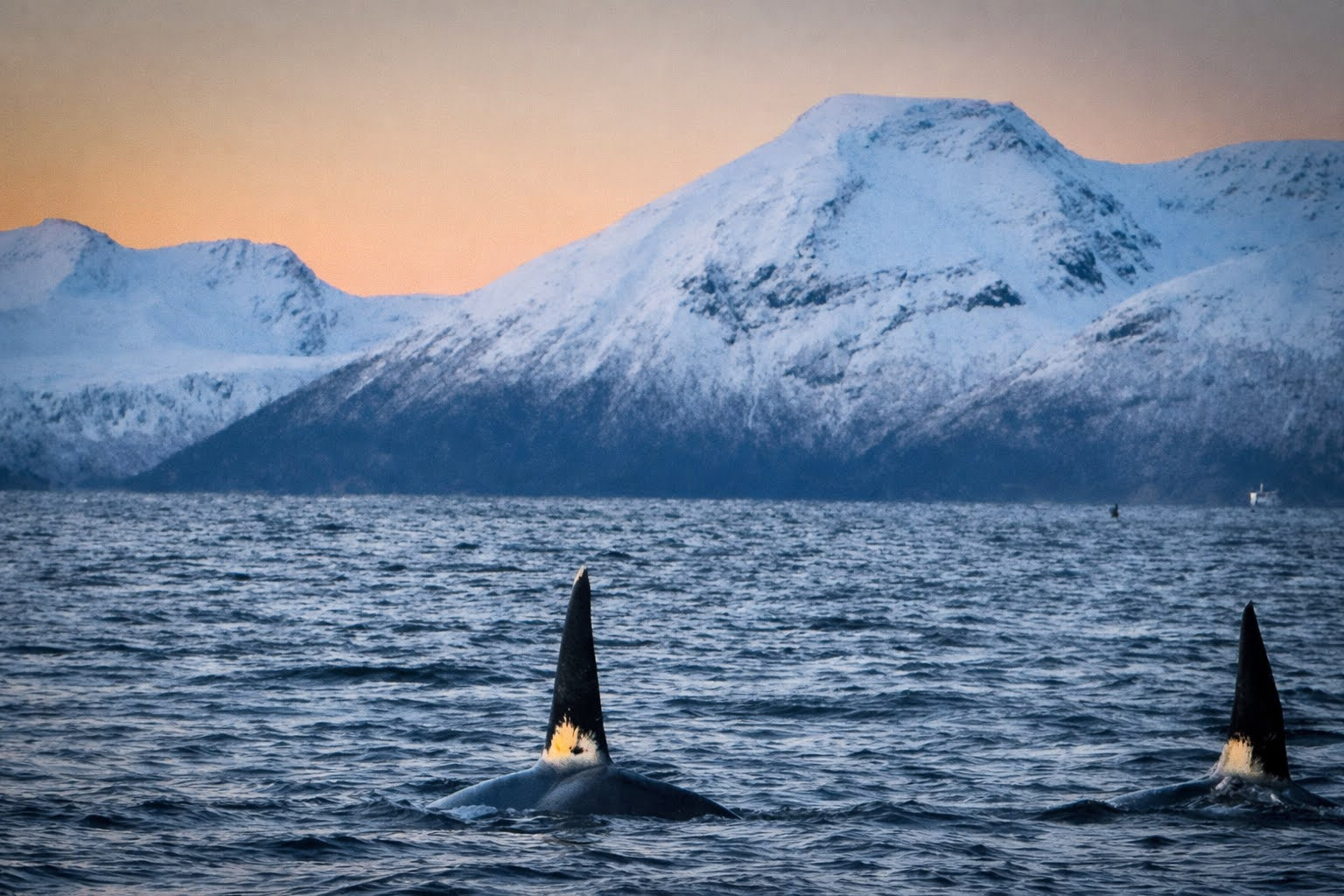
Over the last fifteen years, mountains, wildlife, underwater environments, and remote landscapes have become central to my work. Whether photographing high alpine terrain, remote villages, or marine life beneath the surface of the ocean, I remain interested in the relationship between people, animals, and the environments they inhabit. This body of work is ultimately rooted in curiosity, observation, and the experience of moving through unfamiliar parts of the world with attention and openness.